
- Organization
- Administration
- Featured Parish
- Our Priests
- Catholic News Report
ST. MARY’S CATHEDRAL, LUBAGA
DECADES OF SPIRITURAL AND ARCHTECTURAL STRENGTH
Celebrating a century of profound Holiness
ST. MARY’S CATHEDRAL, LUBAGA
DECADES OF SPIRITURAL AND ARCHTECTURAL STRENGTH
Celebrating a century of profound Holiness
Unveiling the Legacy:
The St. Mary’s Cathedral Lubaga, Kampala
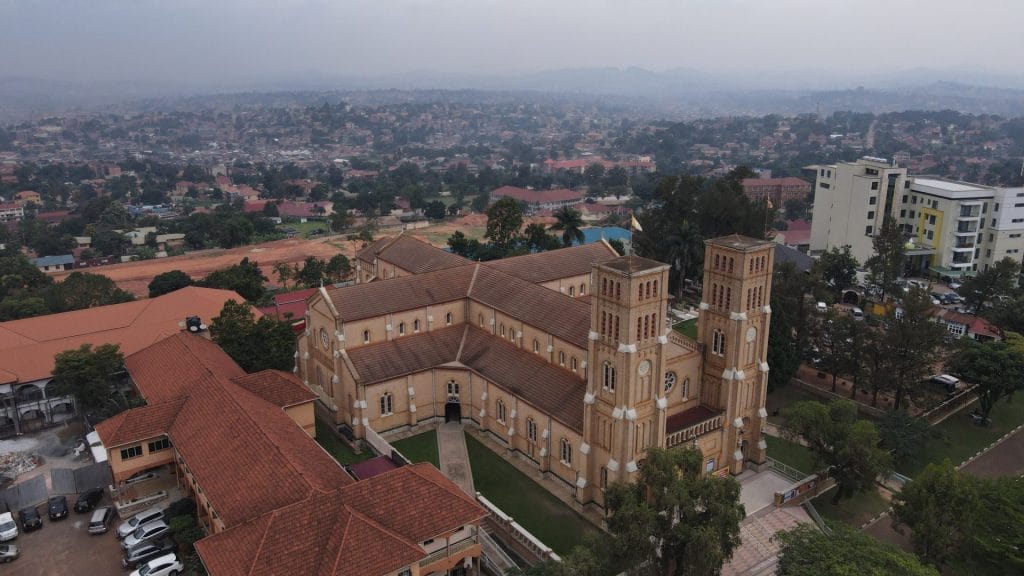
In the heart of Kampala, amidst the bustling cityscape and vibrant culture of Uganda, stands a timeless symbol of faith and resilience—the awe-inspiring Rubaga Cathedral. Nestled atop one of the original seven hills that define the city’s landscape, this towering edifice beckons travelers and pilgrims alike to uncover its rich history and spiritual significance.
This architectural marvel, a landmark of the Pearl of Africa, captivates the gaze of visitors from all corners of the bustling city. Beyond its grandeur lies a tapestry woven with the threads of history, spirituality, and unwavering devotion. As the spiritual beacon of Uganda, this cathedral has witnessed the footsteps of saints and the echoes of prayers, making it a must-visit destination for those seeking inspiration and enlightenment.
Biography of St. Mary’s Cathedral Lubaga:
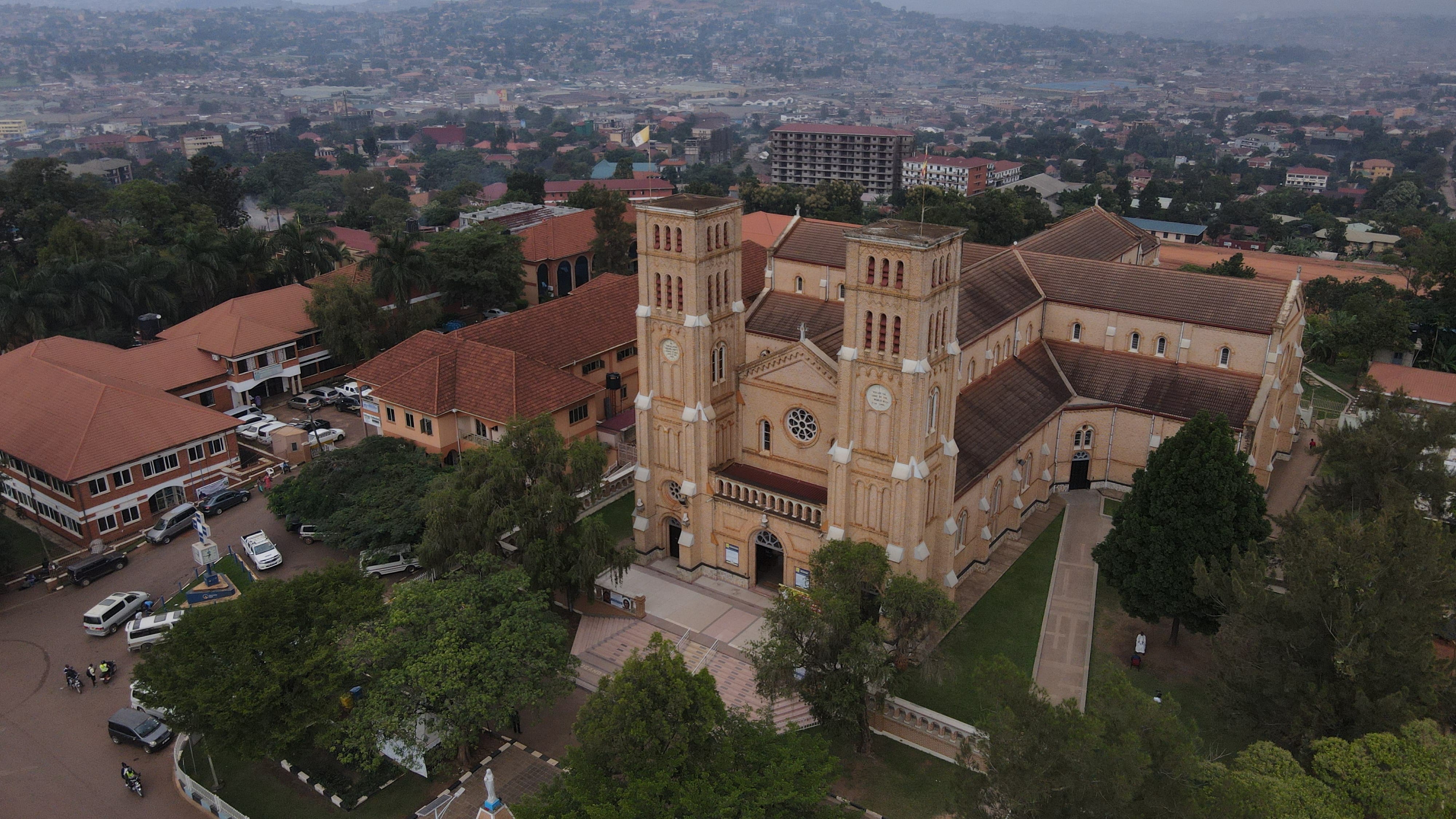
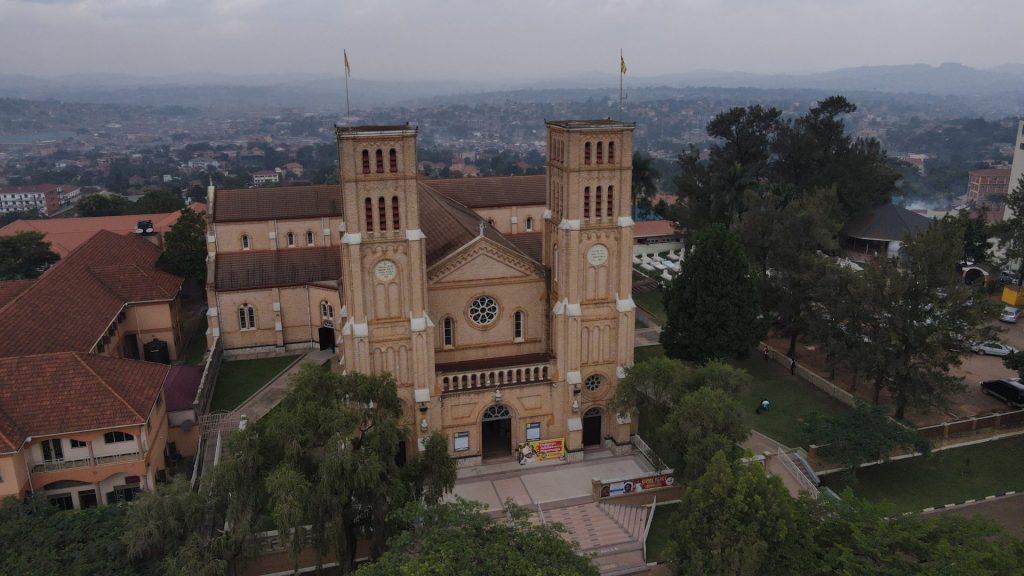
St. Mary’s Cathedral Lubaga, also known as the Sacred Heart Cathedral Lubaga, commands attention with its imposing presence atop the Rubaga Hill, a landmark visible from every corner of downtown Kampala. Its rich history dates back to the early 20th century when Bishop Henry Halon envisioned a grand cathedral to serve as the epicenter of Catholicism in Uganda. Construction commenced in 1914 under the guidance of Bro Cyprian, with the cathedral finally consecrated on December 31, 1925, after overcoming the challenges posed by World War. With a capacity to accommodate 5,000 worshippers, this sacred edifice stretches 248 feet in length and 63 feet in width, rising proudly to a height of 50 feet from floor to ceiling. A labor of love, it took approximately 2.5 million bricks to construct this monumental sanctuary, which stands as a symbol of faith and endurance.
Unveiling the Legacy:
The St. Mary’s Cathedral Lubaga, Kampala
In the heart of Kampala, amidst the bustling cityscape and vibrant culture of Uganda, stands a timeless symbol of faith and resilience—the awe-inspiring Rubaga Cathedral. Nestled atop one of the original seven hills that define the city’s landscape, this towering edifice beckons travelers and pilgrims alike to uncover its rich history and spiritual significance.
This architectural marvel, a landmark of the Pearl of Africa, captivates the gaze of visitors from all corners of the bustling city. Beyond its grandeur lies a tapestry woven with the threads of history, spirituality, and unwavering devotion. As the spiritual beacon of Uganda, this cathedral has witnessed the footsteps of saints and the echoes of prayers, making it a must-visit destination for those seeking inspiration and enlightenment.
Biography of St. Mary’s Cathedral Lubaga: St. Mary’s Cathedral Lubaga, also known as the Sacred Heart Cathedral Lubaga, commands attention with its imposing presence atop the Rubaga Hill, a landmark visible from every corner of downtown Kampala. Its rich history dates back to the early 20th century when Bishop Henry Halon envisioned a grand cathedral to serve as the epicenter of Catholicism in Uganda. Construction commenced in 1914 under the guidance of Bro Cyprian, with the cathedral finally consecrated on December 31, 1925, after overcoming the challenges posed by World War. With a capacity to accommodate 5,000 worshippers, this sacred edifice stretches 248 feet in length and 63 feet in width, rising proudly to a height of 50 feet from floor to ceiling. A labor of love, it took approximately 2.5 million bricks to construct this monumental sanctuary, which stands as a symbol of faith and endurance.
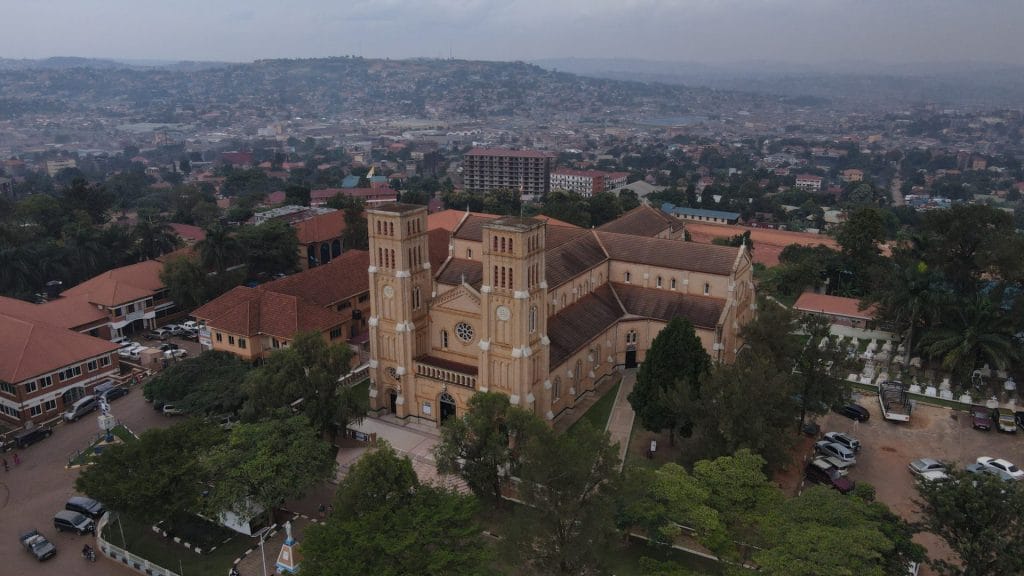
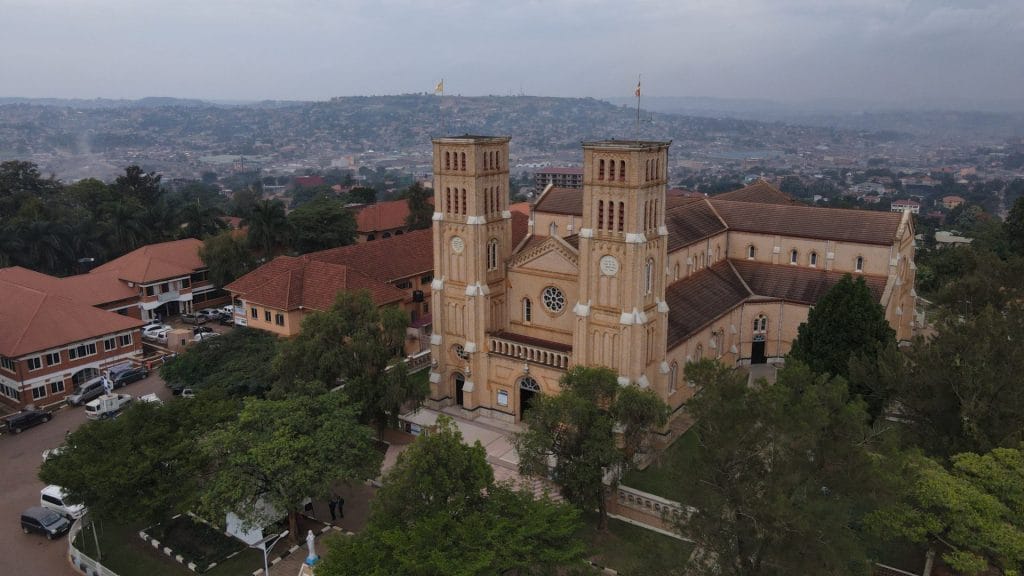
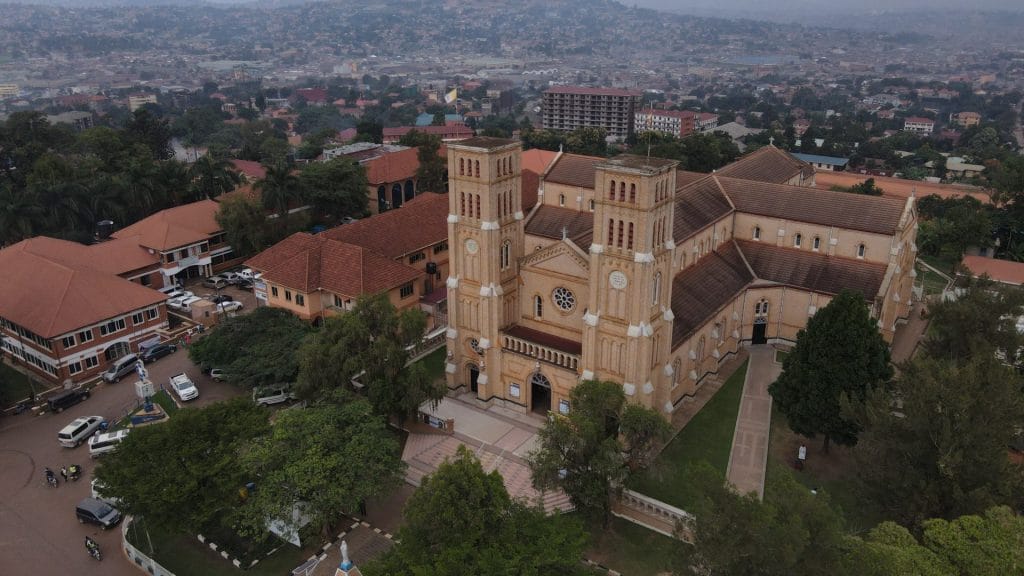
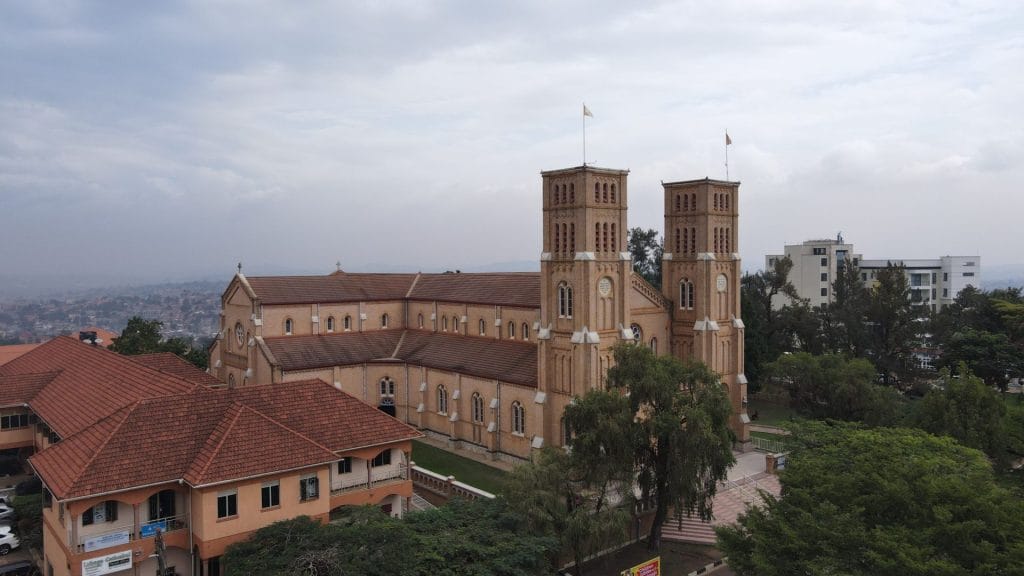
St. Mary’s Cathedral Lubaga, beckons visitors with its grandeur and historical significance.
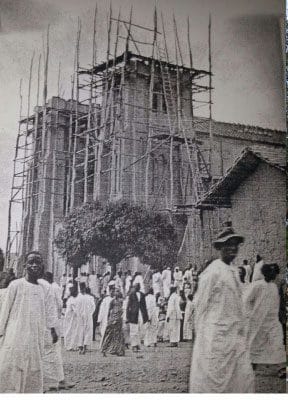
The first appeal brought in 6,522 Rupees (about Shs 13,000). Brick kilns were put up at Nalukolongo and Kisubi. In 1911 St Joseph’s Technical School was founded at Kisubi with the help of Bro Herman of the White Fathers to train carpenters, builders, blacksmiths and others, all this in view of the needs foreseen for the building of Rubaga Cathedral. Chosen to head the building of the cathedral was Bro Cyprian. He decided to put up a “test building”, the present Parish Church at Kisubi. He reduced to scale the plan of would-be Rubaga Cathedral using one wing as the plan of Kisubi. By building this small church, Bro Cyprian aimed at training the students of the technical school in readiness for the task they would need to perform at Lubaga. One of the main tests was to see how the arches would support the weight in the walls and roof.

Everything proved satisfactory and the Kisubi church was completed in 1913, a year before the construction of Rubaga Cathedral started in 1914. At Lubaga, Catholics shared in the construction work, with everyone coming to Mass in the morning stopping at Nalukolongo kiln and taking a number of bricks on the head to the building site on top of Rubaga hill. The powerful Stanislas Mugwanya, then a Buganda regent, used to lead the procession every morning with four bricks on his head. From the Kisubi kiln, the bricks and other materials were brought to Rubaga by an oxcart as there were no vehicles in Uganda then. Bro Cyprian and his foreman, Matayo Bakaluba started the work of building the cathedral on May 3, 1914 and by October 14, 1914 the foundation had reached the ground level and consumed 500,000 bricks.
The work had to be interrupted for two and half years during World War I (1914-1918) due to lack of funds. The cathedral was completed in 1924 and consecrated on December 31, 1925. Ugandans alone contributed Shs 87,167 (a big amount then), The Catholics of Europe, America, and Canada parted with Shs379,302 while the missionaries of Africa Vicariate gave Shs23,896.
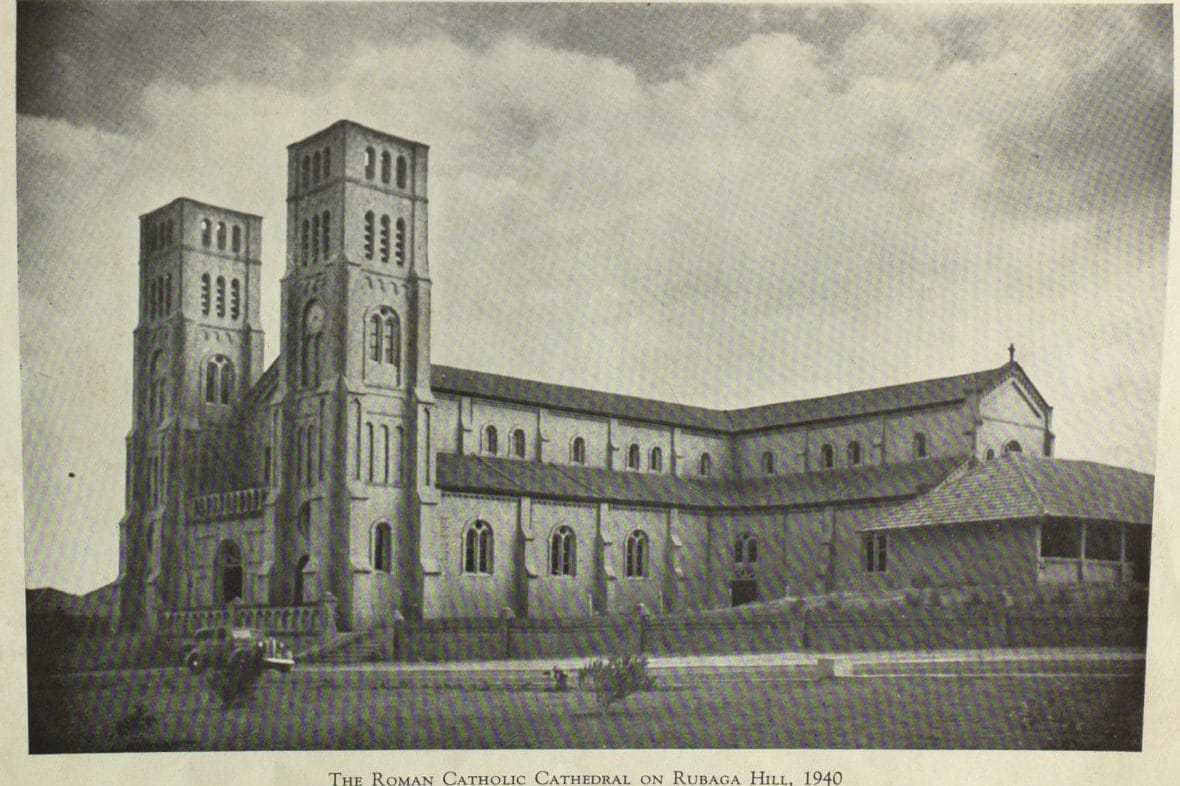
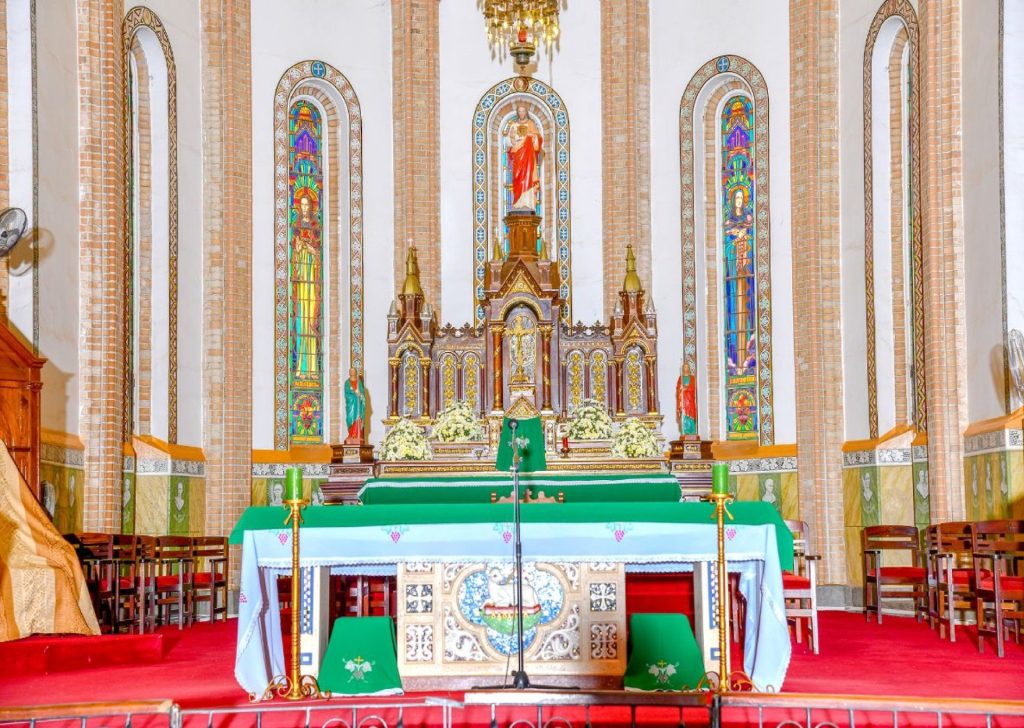
The Cathedral’s Roman style was adopted from Normandy in France by Bro Gilbert, the main architect. The great altar of Muvule tree was the work of Bro Sylvester and took two years to complete. As for the cathedral’s bells, they were offered by Mr. FM Alcouffe from Aveyron, France, and bought from Annecy Vieux, France in 1925.
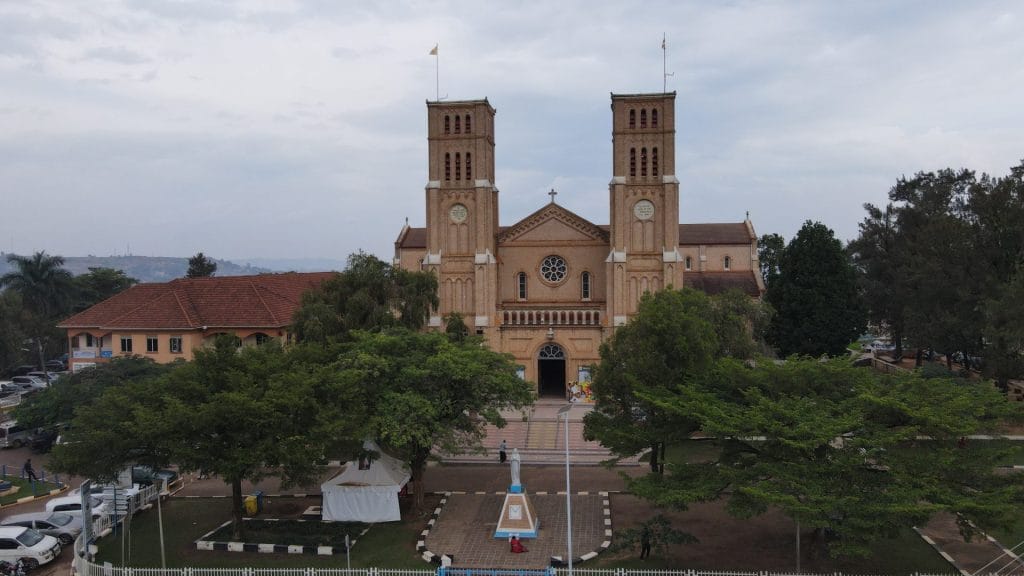
The Cathedral ceiling is made of molded metal sheets bought in London by Bishop Forbes while the first glass windows were installed by Bishop Edward Michaud, who died on June 18, 1945, and buried inside the Cathedral. Outside the church, the popular giant Virgin Mary statue overlooking the city of Kampala was brought all the way from Italy and installed by Bro Antonius.

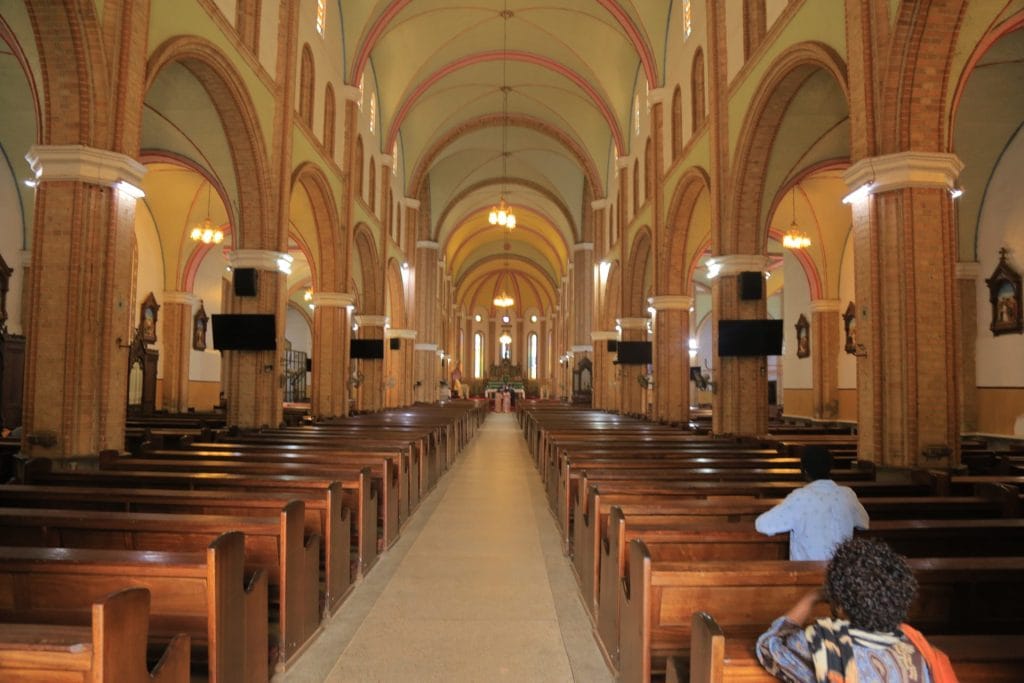
The Cathedral’s location being in the metropolitan capital and centre, gives Rubaga Cathedral an edge over others. St Mary’s Cathedral Rubaga as seen today is said to accommodate 5,000 worshippers. It is 248 feet long (260 if the walls are considered) and 63 feet wide. The transept measures 152 feet (162 including the walls) while the height from the floor to the ceiling is 50 feet. Some 2.5 million bricks were used to complete the Cathedral. The idea of building this “mother-of-all-churches” in Uganda came from Bishop Henry Halon in 1901 who launched an appeal to all Catholics to contribute financially towards a building fund.
This church was used until 1901. Because of the growing Catholic population around Rubaga, the need for a larger church arose. Thus the sixth new church was put up in 1901 and this time free of mud. The sun-dried bricks were used though it still had a grass-thatched roof. It was 71 feet long and 21 feet broad and was blessed by Bishop Henry Halon on March 19, 1901. It was used for 24 years. Around this time prominent Catholics like Stanislas Mugwanya during Mass would stay outside watching with an ancient wooden gun just in case Protestants invaded. He would only go inside the church for Holy Communion and return immediately to keep watch.
The present church, a real cathedral in the true sense of the word and status was completed in 1924 before being consecrated in 1925. The construction lasted 10 years.
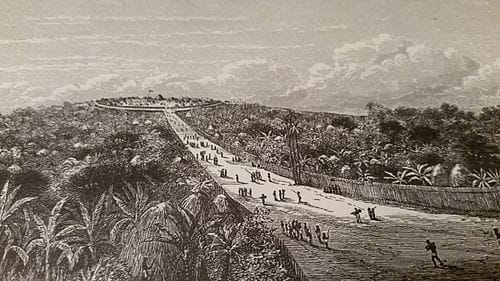
While former Kabaka Daniel Basamula Mwanga is known all over the world for ordering the killing of the Uganda Martyrs, he should at least be praised for something good, his generosity in donating the Lubaga hill to the early Catholic missionaries through Bishop Joseph Hirth in 1891.
The place where the cathedral is currently located was once a palace for Buganda’s Kabaka Muteesa I, Mwanga’s father. For starters, the current cathedral is the seventh to occupy the Rubaga hill. Between 1891 and 1914 when the construction of the current Cathedral began, the hill gave shelter to six “cathedrals” made up different structures which unfortunately all disappeared under different circumstances.
The first church to be built here was destroyed on January 24, 1892, at about 8pm during the so called religious wars. Later, two more grass-thatched cathedrals were built within a year, with the first one being destroyed by an earthquake and the other burnt down by Protestants (Anglicans). But the Christians of Rubaga were determined. In 1893 they built a temporary church which was later replaced by a more solid building in 1894.
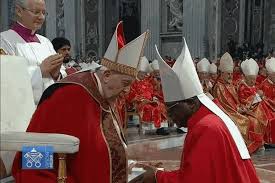
Papal Visits and Revered Guests
Throughout its storied history, St. Mary’s Cathedral Lubaga has played host to esteemed guests, including three revered Popes — Pope Paul VI, Pope John Paul II, and Archbishop of Canterbury Robert Runcie. Their visits, marked by moments of prayer and reflection, have left an indelible mark on the cathedral’s legacy. Archbishop Runcie’s successor, George Carey, also graced the cathedral with his presence, further cementing its significance on the global stage.
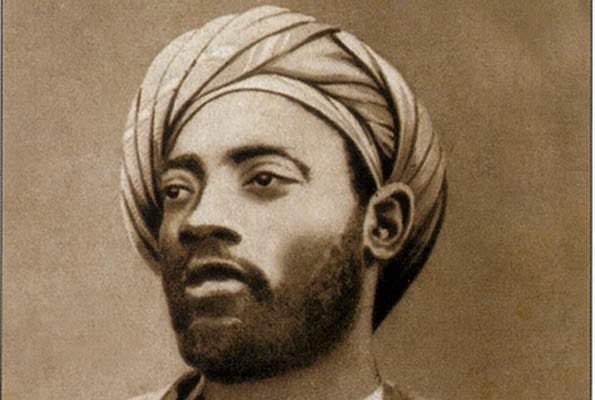
Historical Foundations: Legacy of Generosity
The roots of Lubaga Cathedral trace back to the generous donation of Rubaga hill by former Kabaka Daniel Basamula Mwanga to early Catholic missionaries in 1891 which paved the way for the construction of St. Mary’s Cathedral Rubaga. Despite his controversial legacy, this act of benevolence underscores the cathedral’s profound impact on the cultural and spiritual landscape of Uganda. This also marked the site’s transition from royal palace to sacred sanctuary.
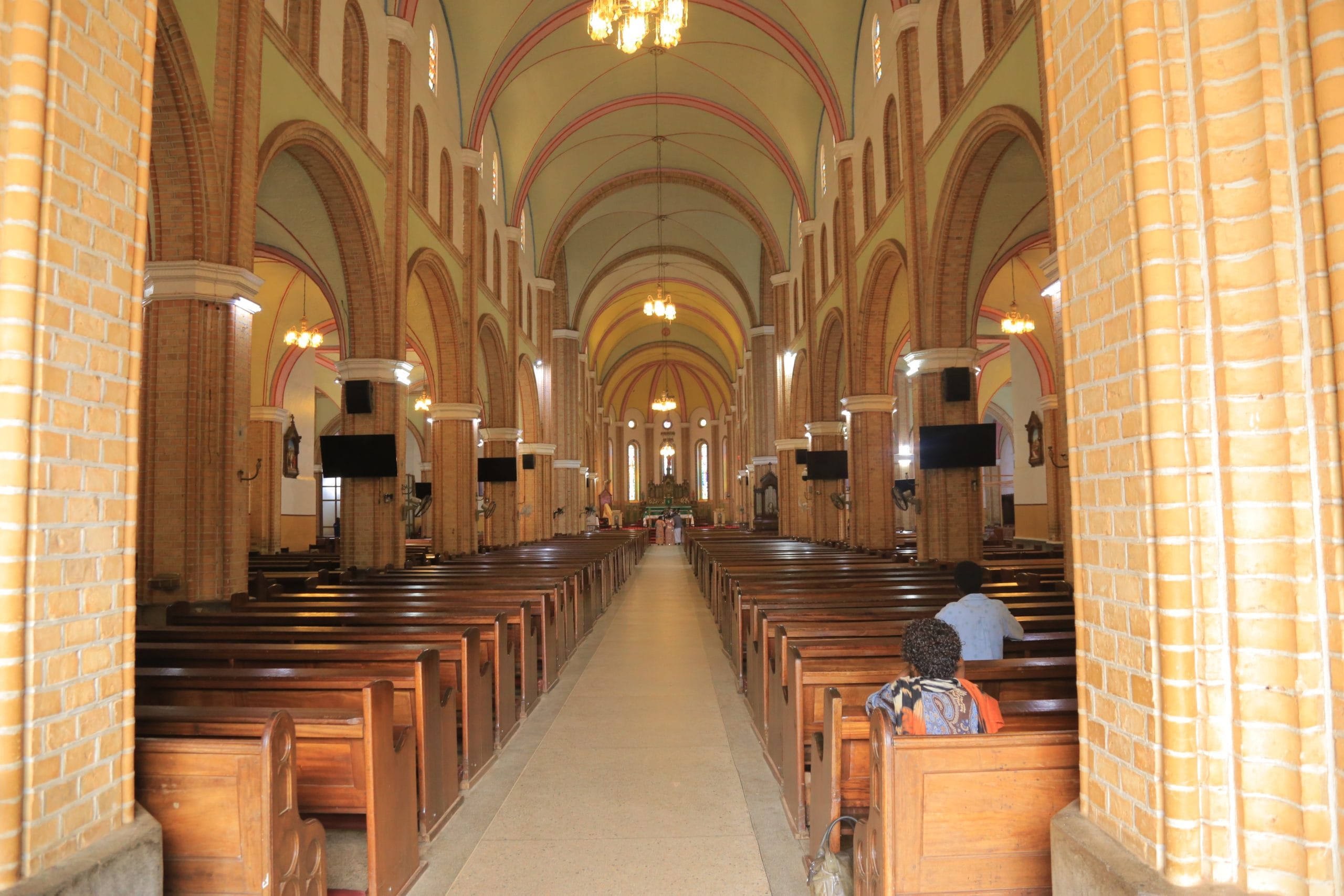
Spiritual Pilgrimage
For pilgrims seeking solace and spiritual enlightenment, St. Mary’s Cathedral Lubaga offers a sacred sanctuary amidst the bustling metropolis of Kampala.
Steeped in tradition and reverence, every corner of this hallowed space resonates with echoes of prayers offered and blessings bestowed. From the solemnity of the nave to the tranquility of the courtyard, visitors are invited to embark on a journey of introspection and faith.

Historical Significance:
The roots of St. Mary’s Cathedral Lubaga run deep, tracing back to the vision of Bishop Henry Halon in 1901. Under his guidance, the faithful rallied together, contributing financially to a building fund that would bring this grand cathedral to fruition. The journey towards its completion was not without its trials, as evidenced by the interruption caused by World War I. However, perseverance prevailed, and the cathedral was consecrated on December 31, 1925.

Spiritual Sanctuary:
St. Mary’s Cathedral Lubaga serves as a sanctuary for worshippers, accommodating up to 5,000 faithful. Its tranquil ambiance and awe-inspiring interiors, adorned with meticulously crafted altars and stained glass windows, provide solace and spiritual nourishment to all who enter its hallowed halls.
Beyond its religious significance, the cathedral symbolizes unity and resilience, embodying the collective efforts of the Catholic community in Uganda. From humble beginnings to its majestic stature today, it stands as a testament to the unwavering faith and determination of generations past.
Architectural Marvel:
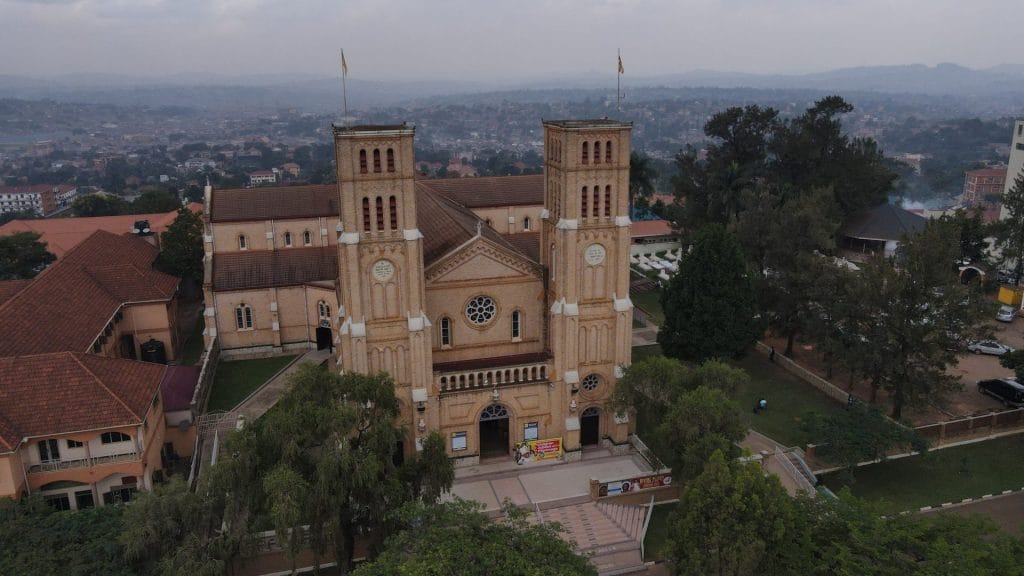
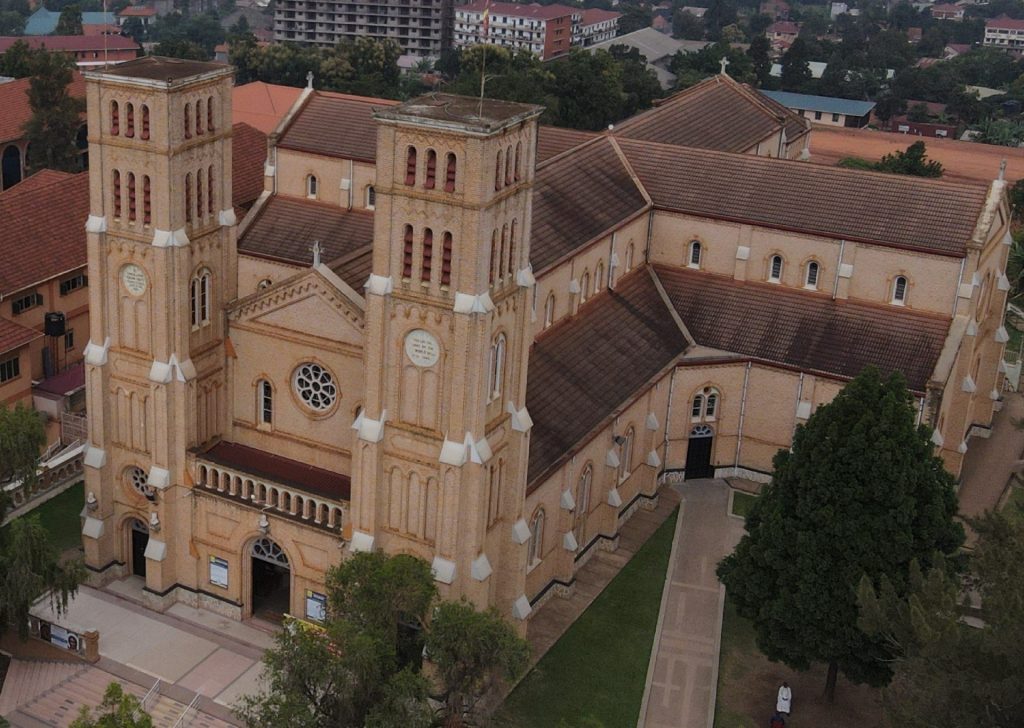
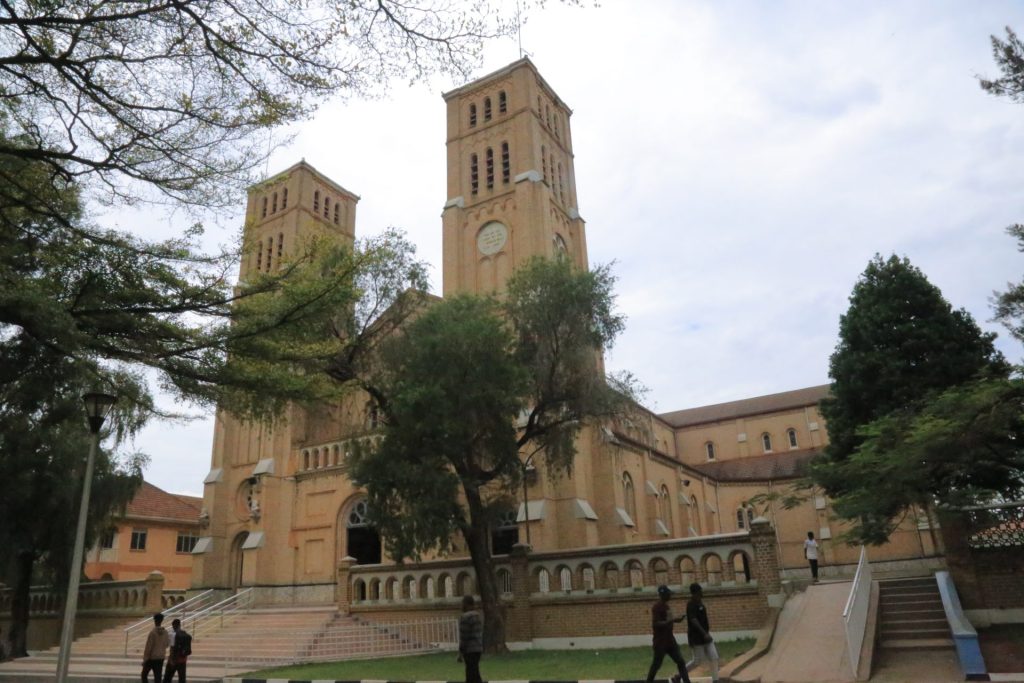
The cathedral’s Roman-style architecture, influenced by Normandy in France, captivates visitors with its grandeur and intricate details. Standing at 248 feet long and 63 feet wide, with a towering height of 50 feet from floor to ceiling, it exudes a sense of divine magnificence. The cathedral’s construction required 2.5 million bricks, a testament to the dedication of its builders and the community.

Drawing inspiration from the Roman style of architecture, St. Mary’s Cathedral Rubaga stands as a testament to the craftsmanship of its builders. The intricate details, from the great altar crafted from Muvule tree to the majestic bells gifted from France, speak to a blend of artistry and devotion. The cathedral’s towering spires and ornate façade beckon worshippers and tourists alike to behold its splendor.
.
St. Mary’s Cathedral Lubaga, beckons visitors with its grandeur and historical significance.
The first appeal brought in 6,522 Rupees (about Shs 13,000). Brick kilns were put up at Nalukolongo and Kisubi. In 1911 St Joseph’s Technical School was founded at Kisubi with the help of Bro Herman of the White Fathers to train carpenters, builders, blacksmiths and others, all this in view of the needs foreseen for the building of Rubaga Cathedral. Chosen to head the building of the cathedral was Bro Cyprian. He decided to put up a “test building”, the present Parish Church at Kisubi. He reduced to scale the plan of would-be Rubaga Cathedral using one wing as the plan of Kisubi. By building this small church, Bro Cyprian aimed at training the students of the technical school in readiness for the task they would need to perform at Lubaga. One of the main tests was to see how the arches would support the weight in the walls and roof.
Everything proved satisfactory and the Kisubi church was completed in 1913, a year before the construction of Rubaga Cathedral started in 1914. At Lubaga, Catholics shared in the construction work, with everyone coming to Mass in the morning stopping at Nalukolongo kiln and taking a number of bricks on the head to the building site on top of Rubaga hill. The powerful Stanislas Mugwanya, then a Buganda regent, used to lead the procession every morning with four bricks on his head. From the Kisubi kiln, the bricks and other materials were brought to Rubaga by an oxcart as there were no vehicles in Uganda then. Bro Cyprian and his foreman, Matayo Bakaluba started the work of building the cathedral on May 3, 1914 and by October 14, 1914 the foundation had reached the ground level and consumed 500,000 bricks.
The work had to be interrupted for two and half years during World War I (1914-1918) due to lack of funds. The cathedral was completed in 1924 and consecrated on December 31, 1925. Ugandans alone contributed Shs 87,167 (a big amount then), The Catholics of Europe, America, and Canada parted with Shs379,302 while the missionaries of Africa Vicariate gave Shs23,896.
The Cathedral’s Roman style was adopted from Normandy in France by Bro Gilbert, the main architect. The great altar of Muvule tree was the work of Bro Sylvester and took two years to complete. As for the cathedral’s bells, they were offered by Mr. FM Alcouffe from Aveyron, France, and bought from Annecy Vieux, France in 1925.
The Cathedral ceiling is made of molded metal sheets bought in London by Bishop Forbes while the first glass windows were installed by Bishop Edward Michaud, who died on June 18, 1945, and buried inside the Cathedral. Outside the church, the popular giant Virgin Mary statue overlooking the city of Kampala was brought all the way from Italy and installed by Bro Antonius.
The Cathedral’s location being in the metropolitan capital and centre, gives Rubaga Cathedral an edge over others. St Mary’s Cathedral Rubaga as seen today is said to accommodate 5,000 worshippers. It is 248 feet long (260 if the walls are considered) and 63 feet wide. The transept measures 152 feet (162 including the walls) while the height from the floor to the ceiling is 50 feet. Some 2.5 million bricks were used to complete the Cathedral. The idea of building this “mother-of-all-churches” in Uganda came from Bishop Henry Halon in 1901 who launched an appeal to all Catholics to contribute financially towards a building fund.
This church was used until 1901. Because of the growing Catholic population around Rubaga, the need for a larger church arose. Thus the sixth new church was put up in 1901 and this time free of mud. The sun-dried bricks were used though it still had a grass-thatched roof. It was 71 feet long and 21 feet broad and was blessed by Bishop Henry Halon on March 19, 1901. It was used for 24 years. Around this time prominent Catholics like Stanislas Mugwanya during Mass would stay outside watching with an ancient wooden gun just in case Protestants invaded. He would only go inside the church for Holy Communion and return immediately to keep watch.
The present church, a real cathedral in the true sense of the word and status was completed in 1924 before being consecrated in 1925. The construction lasted 10 years.
While former Kabaka Daniel Basamula Mwanga is known all over the world for ordering the killing of the Uganda Martyrs, he should at least be praised for something good, his generosity in donating the Lubaga hill to the early Catholic missionaries through Bishop Joseph Hirth in 1891.
The place where the cathedral is currently located was once a palace for Buganda’s Kabaka Muteesa I, Mwanga’s father. For starters, the current cathedral is the seventh to occupy the Rubaga hill. Between 1891 and 1914 when the construction of the current Cathedral began, the hill gave shelter to six “cathedrals” made up different structures which unfortunately all disappeared under different circumstances.
The first church to be built here was destroyed on January 24, 1892, at about 8pm during the so called religious wars. Later, two more grass-thatched cathedrals were built within a year, with the first one being destroyed by an earthquake and the other burnt down by Protestants (Anglicans). But the Christians of Rubaga were determined. In 1893 they built a temporary church which was later replaced by a more solid building in 1894.
Papal Visits and Revered Guests
Throughout its storied history, St. Mary’s Cathedral Lubaga has played host to esteemed guests, including three revered Popes — Pope Paul VI, Pope John Paul II, and Archbishop of Canterbury Robert Runcie. Their visits, marked by moments of prayer and reflection, have left an indelible mark on the cathedral’s legacy. Archbishop Runcie’s successor, George Carey, also graced the cathedral with his presence, further cementing its significance on the global stage.
Historical Foundations: Legacy of Generosity
The roots of Lubaga Cathedral trace back to the generous donation of Rubaga hill by former Kabaka Daniel Basamula Mwanga to early Catholic missionaries in 1891 which paved the way for the construction of St. Mary’s Cathedral Rubaga. Despite his controversial legacy, this act of benevolence underscores the cathedral’s profound impact on the cultural and spiritual landscape of Uganda. This also marked the site’s transition from royal palace to sacred sanctuary.
Spiritual Pilgrimage
For pilgrims seeking solace and spiritual enlightenment, St. Mary’s Cathedral Lubaga offers a sacred sanctuary amidst the bustling metropolis of Kampala.
Steeped in tradition and reverence, every corner of this hallowed space resonates with echoes of prayers offered and blessings bestowed. From the solemnity of the nave to the tranquility of the courtyard, visitors are invited to embark on a journey of introspection and faith.
Historical Significance:
The roots of St. Mary’s Cathedral Lubaga run deep, tracing back to the vision of Bishop Henry Halon in 1901. Under his guidance, the faithful rallied together, contributing financially to a building fund that would bring this grand cathedral to fruition. The journey towards its completion was not without its trials, as evidenced by the interruption caused by World War I. However, perseverance prevailed, and the cathedral was consecrated on December 31, 1925.
Spiritual Sanctuary:
St. Mary’s Cathedral Lubaga serves as a sanctuary for worshippers, accommodating up to 5,000 faithful. Its tranquil ambiance and awe-inspiring interiors, adorned with meticulously crafted altars and stained glass windows, provide solace and spiritual nourishment to all who enter its hallowed halls.
Beyond its religious significance, the cathedral symbolizes unity and resilience, embodying the collective efforts of the Catholic community in Uganda. From humble beginnings to its majestic stature today, it stands as a testament to the unwavering faith and determination of generations past.
Architectural Marvel:
The cathedral’s Roman-style architecture, influenced by Normandy in France, captivates visitors with its grandeur and intricate details. Standing at 248 feet long and 63 feet wide, with a towering height of 50 feet from floor to ceiling, it exudes a sense of divine magnificence. The cathedral’s construction required 2.5 million bricks, a testament to the dedication of its builders and the community.
Drawing inspiration from the Roman style of architecture, St. Mary’s Cathedral Rubaga stands as a testament to the craftsmanship of its builders. The intricate details, from the great altar crafted from Muvule tree to the majestic bells gifted from France, speak to a blend of artistry and devotion. The cathedral’s towering spires and ornate façade beckon worshippers and tourists alike to behold its splendor.
.
ST. MARY’S CATHEDRAL, LUBAGA
DECADES OF SPIRITURAL AND ARCHTECTURAL STRENGTH
ST. MARY’S CATHEDRAL, LUBAGA
DECADES OF SPIRITURAL AND ARCHTECTURAL STRENGTH