
- Organization
- Administration
- Featured Parish
- Our Priests
- Catholic News Report
Bible Verse of the Day
Love does no harm to a neighbor. Therefore love is the fulfillment of the law.
EMMANUEL CARDINAL WAMALA: HUMBLE IN SPIRIT, HONORABLE IN ACTION
ARCHBISHOP EMERITUS KAMPALA ARCHDIOCESE

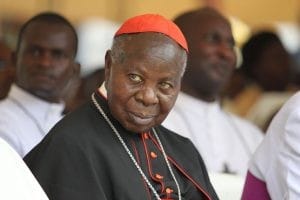
His Eminence Emmanuel Cardinal Wamala
Archbishop Emeritus Kampala Archdiocese
The life of Emmanuel Cardinal Wamala, stands as a testament to profound dedication, unwavering faith, and remarkable resilience. From his humble beginnings in a Ugandan village to his elevation as a Prince of the Church, Cardinal Wamala consistently exemplified a spirit of humility coupled with actions that brought honor and comfort to countless individuals.
EMMANUEL CARDINAL WAMALA: HUMBLE IN SPIRIT, HONORABLE IN ACTION
ARCHBISHOP EMERITUS KAMPALA ARCHDIOCESE
His Eminence Emmanuel Cardinal Wamala
Archbishop Emeritus Kampala Archdiocese
The life of Emmanuel Cardinal Wamala, stands as a testament to profound dedication, unwavering faith, and remarkable resilience. From his humble beginnings in a Ugandan village to his elevation as a Prince of the Church, Cardinal Wamala consistently exemplified a spirit of humility coupled with actions that brought honor and comfort to countless individuals.
EARLY LIFE⸻
CALL TO SERVICE
Born on December 15, 1926, in the quiet Kamaggwa village, Masaka District, Uganda, Emmanuel Wamala’s journey began rooted in the rich cultural and spiritual landscape of his homeland. His formative years were marked by a commitment to education, attending elementary schools in Kalisizo and Bukalasa before entering the Bukalasa National Minor Seminary. His academic pursuits led him to the esteemed Katigondo National Major Seminary and subsequently to the Pontifical Urban University in Rome, where he earned a Licentiate in Theology. Further enhancing his capabilities, he also attained a diploma in pedagogy from Makerere University, preparing him not only for spiritual leadership but also for intellectual guidance within the community.


EARLY LIFE⸻
CALL TO SERVICE
Born on December 15, 1926, in the quiet Kamaggwa village, Masaka District, Uganda, Emmanuel Wamala’s journey began rooted in the rich cultural and spiritual landscape of his homeland. His formative years were marked by a commitment to education, attending elementary schools in Kalisizo and Bukalasa before entering the Bukalasa National Minor Seminary. His academic pursuits led him to the esteemed Katigondo National Major Seminary and subsequently to the Pontifical Urban University in Rome, where he earned a Licentiate in Theology. Further enhancing his capabilities, he also attained a diploma in pedagogy from Makerere University, preparing him not only for spiritual leadership but also for intellectual guidance within the community.
1960
1960
1964
Taught at Bukalasa Minor Seminary
1964
1968-1973
First Ugandan Chaplain at Makerere University
1968-1973
1974-1981
Vicar General of the Diocese of Masaka
1974-1981
1977
Created Chaplain of His Holiness
1977
1979
Honored with the title Monsignor
1979
1981-1990
Bishop of Kiyinda Mityana
1981-1990
1990-2006
Archbishop of Kampala
1990-2006
1994
Named Cardinal
1994
2006
Retired as Archbishop of Kampala
2006

Priesthood and Steadfast Advancement within the Church
Emmanuel Wamala’s devotion culminated in his ordination as a priest on December 21, 1957, at Urban College, Rome. Upon his return to Uganda in 1960, he embarked on a distinguished career of pastoral ministry and leadership. His initial posting was as Assistant Parish Priest at Villa Maria Parish in Masaka. From 1960 to 1981, his dedicated service saw him undertake various pivotal roles within the Diocese of Masaka, including Diocesan School Supervisor, where he shaped the educational landscape for future generations.
His intellectual prowess and spiritual depth were further recognized through his appointment as a teacher at Bukalasa Minor Seminary in 1964. From 1968 to 1973, he served as the first Ugandan Chaplain at Makerere University, a role that allowed him to guide young minds at a crucial national institution. His leadership continued to flourish as he served as Vicar General of the Diocese of Masaka from 1974 to 1981. During this period, his exemplary service was acknowledged by the Vatican, leading to his creation as Chaplain of His Holiness in 1977 and the honorable title of Monsignor in 1979.
1960
Diocesan School Supervisor, Diocese of Masaka
1960
1964
Taught at Bukalasa Minor Seminary
1964
1968-1973
First Ugandan Chaplain at Makerere University
1968-1973
1974-1981
Vicar General of the Diocese of Masaka
1974-1981
1977
Created Chaplain of His Holiness
1977
1979
Honored with the title Monsignor
1979
1981-1990
Bishop of Kiyinda Mityana
1981-1990
1990-2006
Archbishop of Kampala
1990-2006
1994
Named Cardinal
1994
2006
Retired as Archbishop of Kampala
2006
Priesthood and Steadfast Advancement within the Church
Emmanuel Wamala’s devotion culminated in his ordination as a priest on December 21, 1957, at Urban College, Rome. Upon his return to Uganda in 1960, he embarked on a distinguished career of pastoral ministry and leadership. His initial posting was as Assistant Parish Priest at Villa Maria Parish in Masaka. From 1960 to 1981, his dedicated service saw him undertake various pivotal roles within the Diocese of Masaka, including Diocesan School Supervisor, where he shaped the educational landscape for future generations.
His intellectual prowess and spiritual depth were further recognized through his appointment as a teacher at Bukalasa Minor Seminary in 1964. From 1968 to 1973, he served as the first Ugandan Chaplain at Makerere University, a role that allowed him to guide young minds at a crucial national institution. His leadership continued to flourish as he served as Vicar General of the Diocese of Masaka from 1974 to 1981. During this period, his exemplary service was acknowledged by the Vatican, leading to his creation as Chaplain of His Holiness in 1977 and the honorable title of Monsignor in 1979.

Episcopal Ministry and Elevation to Cardinalate
Cardinal Wamala’s ascent through the Church hierarchy reflected his profound impact and trusted leadership. In 1981, he was consecrated as the first Bishop of the newly established Diocese of Kiyinda-Mityana, a role he fulfilled with distinction for nearly a decade. His significant contributions did not go unnoticed, and in 1988, he was appointed Coadjutor Archbishop of Kampala. This appointment set the stage for his succession to the archiepiscopal see on February 8, 1990, when he became the Archbishop of Kampala, taking the mantle from the revered Cardinal Emmanuel Nsubuga.
A crowning moment in his illustrious career came in 1994 when Pope John Paul II elevated him to the College of Cardinals. This historic appointment made him the second Ugandan cardinal, placing him among the elite advisors to the Pontiff and marking a significant recognition of his global stature within the Church. His participation in the 2005 papal conclave underscored his pivotal role in shaping the future leadership of the Universal Church.
Episcopal Ministry and Elevation to Cardinalate
Cardinal Wamala’s ascent through the Church hierarchy reflected his profound impact and trusted leadership. In 1981, he was consecrated as the first Bishop of the newly established Diocese of Kiyinda-Mityana, a role he fulfilled with distinction for nearly a decade. His significant contributions did not go unnoticed, and in 1988, he was appointed Coadjutor Archbishop of Kampala. This appointment set the stage for his succession to the archiepiscopal see on February 8, 1990, when he became the Archbishop of Kampala, taking the mantle from the revered Cardinal Emmanuel Nsubuga.
A crowning moment in his illustrious career came in 1994 when Pope John Paul II elevated him to the College of Cardinals. This historic appointment made him the second Ugandan cardinal, placing him among the elite advisors to the Pontiff and marking a significant recognition of his global stature within the Church. His participation in the 2005 papal conclave underscored his pivotal role in shaping the future leadership of the Universal Church.
The Hostage Ordeal: A Testament to Humble Spirit
Perhaps one of the most defining moments that accentuated Cardinal Wamala’s profound humility and inner strength occurred in 1992. In a harrowing incident that gripped the nation, then-Archbishop Emmanuel Wamala was held hostage for 21 hours at Lubaga Cathedral by a taxi driver named Saidi Bingo. This terrifying event, which garnered national headlines, ultimately ended with the Archbishop’s dramatic escape and his captor’s tragic death by suicide.
The motive: Behind this ordeal emerged on February 3, 1992, when Bingo, armed with explosives, confronted Wamala at his office. The previous day, Bingo had reportedly attempted to assassinate President Yoweri Museveni at Kololo but was thwarted by tight security. During the captivity, Bingo expressed deep grievances with the government, demanding a ransom from President Museveni and the removal of corrupt officials.
Honorable in action: Throughout the 21-hour standoff, Archbishop Wamala displayed extraordinary composure and spiritual fortitude. He engaged in conversation with his captor, whom he later described with surprising empathy as polite, respectful, and vigilant. Wamala even recalled minute details of Bingo’s cautious behavior, such as his wariness when offered drinks. This ability to maintain his calm, interact humanely, and observe amidst extreme peril speaks volumes about his humble spirit and unwavering faith.

The Great Escape: At about 10 a.m. the following morning, showcased his quick thinking; Wamala seized an opportunity when Bingo went to the washroom, using a key the captor had inadvertently left behind to unlock the door. As Bingo pursued him, he was met with gunfire from plainclothes security personnel who had surrounded the building. Confronted by security, Bingo retreated, and approximately 30 minutes later, a loud explosion signaled his suicide. While a psychological analysis at the time described Bingo as a “psychiatric case,” Cardinal Wamala’s own reflections, later published in a book, provided a detailed and insightful account of the ordeal, offering a unique perspective on his interactions and the profound emotional and spiritual challenges he faced.
The Hostage Ordeal: A Testament to Humble Spirit
Perhaps one of the most defining moments that accentuated Cardinal Wamala’s profound humility and inner strength occurred in 1992. In a harrowing incident that gripped the nation, then-Archbishop Emmanuel Wamala was held hostage for 21 hours at Lubaga Cathedral by a taxi driver named Saidi Bingo. This terrifying event, which garnered national headlines, ultimately ended with the Archbishop’s dramatic escape and his captor’s tragic death by suicide.
The motive: Behind this ordeal emerged on February 3, 1992, when Bingo, armed with explosives, confronted Wamala at his office. The previous day, Bingo had reportedly attempted to assassinate President Yoweri Museveni at Kololo but was thwarted by tight security. During the captivity, Bingo expressed deep grievances with the government, demanding a ransom from President Museveni and the removal of corrupt officials.
Honorable in action: Throughout the 21-hour standoff, Archbishop Wamala displayed extraordinary composure and spiritual fortitude. He engaged in conversation with his captor, whom he later described with surprising empathy as polite, respectful, and vigilant. Wamala even recalled minute details of Bingo’s cautious behavior, such as his wariness when offered drinks. This ability to maintain his calm, interact humanely, and observe amidst extreme peril speaks volumes about his humble spirit and unwavering faith.
The Great Escape: At about 10 a.m. the following morning, showcased his quick thinking; Wamala seized an opportunity when Bingo went to the washroom, using a key the captor had inadvertently left behind to unlock the door. As Bingo pursued him, he was met with gunfire from plainclothes security personnel who had surrounded the building. Confronted by security, Bingo retreated, and approximately 30 minutes later, a loud explosion signaled his suicide. While a psychological analysis at the time described Bingo as a “psychiatric case,” Cardinal Wamala’s own reflections, later published in a book, provided a detailed and insightful account of the ordeal, offering a unique perspective on his interactions and the profound emotional and spiritual challenges he faced.
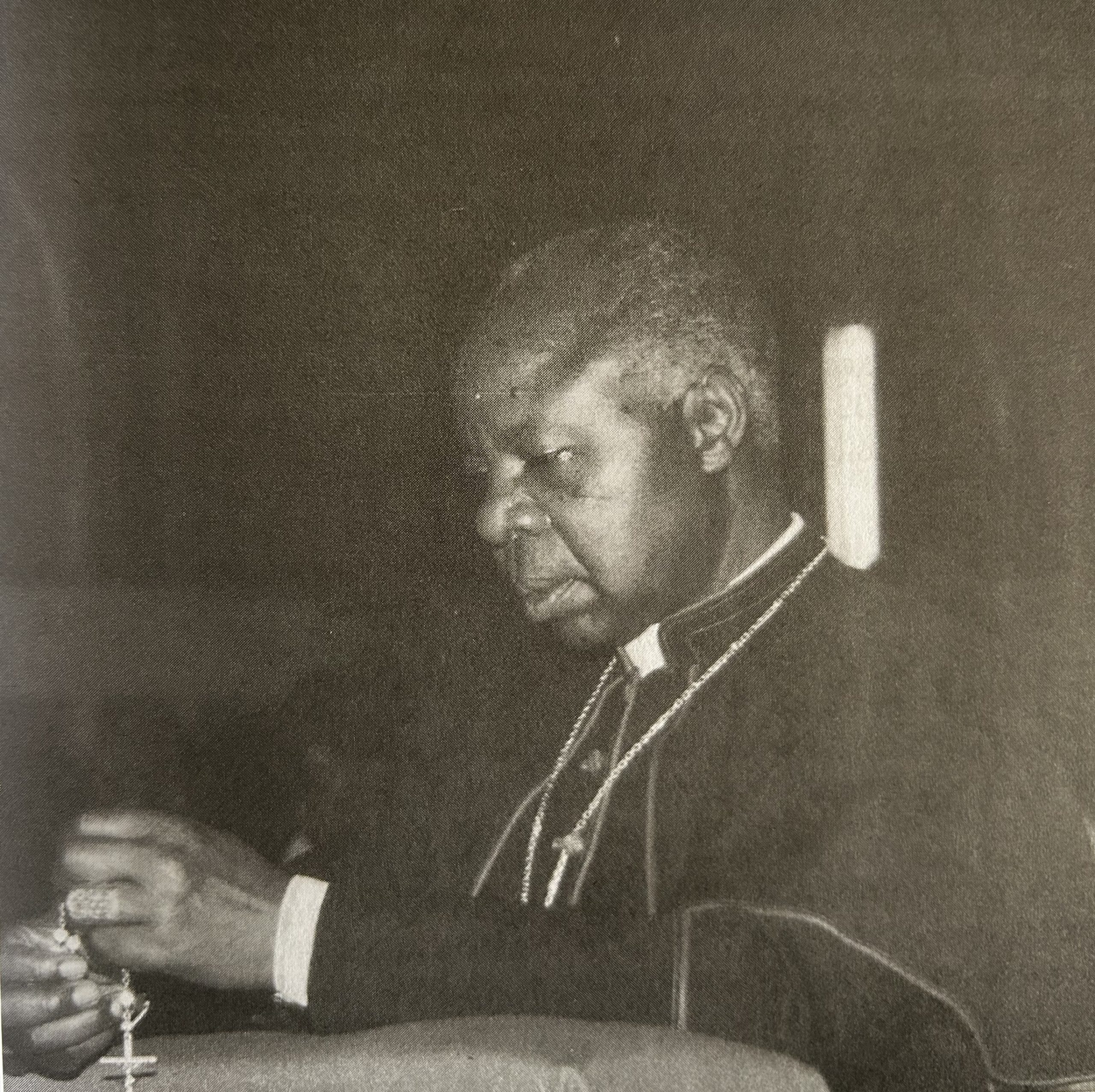
Reflections, Retirement, and Lasting Legacy
Years after the hostage crisis, Cardinal Wamala authored “Reflections on the Word of God,” a book that recounted his terrifying experience in detail. This work offered invaluable insight into his conversations with Bingo and the emotional and spiritual trials he navigated during those 21 hours, further illuminating his humble resilience and capacity for understanding.
In 2006, after decades of devoted service, Cardinal Wamala retired as the Archbishop of Kampala, leaving behind a legacy of transformative leadership and spiritual guidance. His life journey, marked by continuous service, significant ecclesiastical appointments, and a harrowing personal ordeal handled with grace, firmly establishes him as a figure of immense honor. Cardinal Wamala’s life story, truly embodies the essence of a leader who was humble in spirit, yet whose actions consistently brought honor and dignity to his calling and his country.
Reflections, Retirement, and Lasting Legacy
Years after the hostage crisis, Cardinal Wamala authored “Reflections on the Word of God,” a book that recounted his terrifying experience in detail. This work offered invaluable insight into his conversations with Bingo and the emotional and spiritual trials he navigated during those 21 hours, further illuminating his humble resilience and capacity for understanding.
In 2006, after decades of devoted service, Cardinal Wamala retired as the Archbishop of Kampala, leaving behind a legacy of transformative leadership and spiritual guidance. His life journey, marked by continuous service, significant ecclesiastical appointments, and a harrowing personal ordeal handled with grace, firmly establishes him as a figure of immense honor. Cardinal Wamala’s life story, truly embodies the essence of a leader who was humble in spirit, yet whose actions consistently brought honor and dignity to his calling and his country.